Key takeaways
- The first visit is four things: a history of the crash, a physical exam, findings and a diagnosis if the exam supports one, and a written plan you can repeat out loud.
- On the phone, say it was a car crash, say the date, and say you are driving in from Illinois. Ask what to bring.
- Bring photo ID, your insurance information, any emergency room discharge papers, and your attorney's contact if you already have one.
- Every office closes from 12 to 2. A mid-morning slot beats the bridge traffic and the lunch close in one move.
Before you leave Illinois: the phone call
The first visit starts on the phone, and the phone call is simpler than people make it. Call the office your bridge favors: Hazelwood at (314) 627-1411, Tesson Ferry at (314) 530-5480, or O'Fallon, Missouri at (636) 280-0990. Say three things. It was a car crash. It happened on this date. You are coming from the Illinois side and want an exam this week.
Then ask what to bring and listen to the answer, because the clinic's front desk knows its own paperwork better than any guide does. The clinic publishes no residency rule that this desk can find, and nothing on moinjuryclinic.com says an Illinois address is a problem. Confirm it on the call anyway, along with what they accept. This desk does not publish payment terms for a clinic it does not own.
One scheduling note that matters more from across the river than it does from Florissant: all three offices close from 12 to 2 every day, and Friday is mornings only. If you are crossing the Chain of Rocks at 11:30, you will arrive to a locked door. Aim for mid-morning or the first slot after 2.
What to bring
- Photo ID and your insurance information, whatever kind you carry.
- Any discharge paperwork if you went to an emergency room on the Illinois side first. The clinician should work from what the ER found, not from your memory of it.
- A plain timeline: the date and time of the crash, what kind of hit it was, whether you were the driver or a passenger, whether the belt was on, whether the airbag went. Write it on your phone on the way across if you have to.
- A list of what hurts today, in order, including anything that seems unrelated. Headache, fog, trouble sleeping, and a short temper go on the list next to the neck.
- If you already have an attorney, bring their contact so records can be sent where they need to go. If you do not, that changes nothing about the exam.
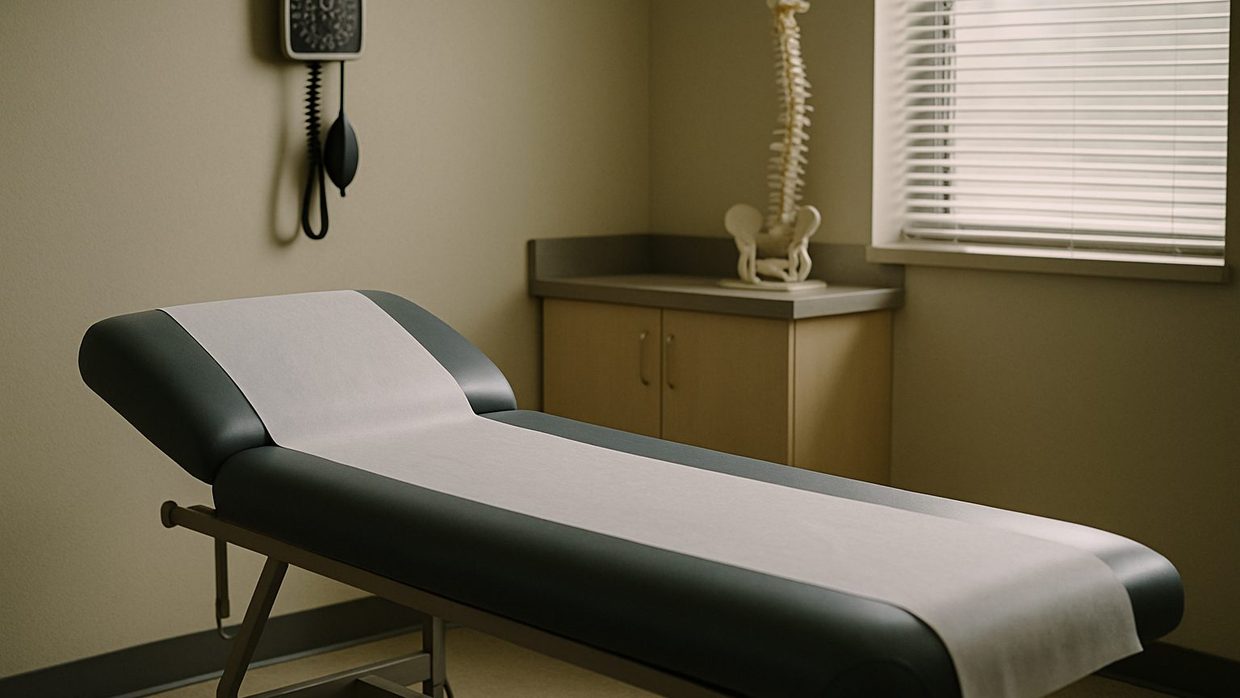
The visit, in order
The history. A clinician asks what happened, in detail. Not because the story is interesting but because the mechanism of a hit tells them where to look. A rear-end hit at a light on Route 159 and a side impact at a rural intersection in Monroe County load the body differently, and the exam that follows is shaped by the answer.
The exam. Range of motion, tenderness, strength, reflexes, the neurological screen that looks for anything that should not be handled in a clinic. This is where a good clinician earns the drive: they are checking you against a bright line as much as they are checking you for an injury.
The findings. What the exam found, in words you can understand, and a diagnosis if the findings support one. If the findings do not support a diagnosis, a straight answer is also a finding, and it goes in the record too.
The plan. A written treatment plan you could repeat back to someone in the parking lot. What happens next, how often, for roughly how long, and what would make the clinic send you elsewhere for imaging, a referral, or a different specialty. The clinic publishes its auto injury lane as exactly this: diagnosis and a treatment plan after a crash.
All of it is dated. That matters for your care, because the next visit is measured against this one. It also happens to be the document everyone asks for if a claim is ever part of your story. The record explains that without overselling it.
Questions worth asking out loud
- What did you find, and what does it mean in ordinary words?
- What is the plan, and how long before we should expect a change?
- What would make you send me somewhere else?
- Is there anything about the head, not just the neck, that you want to watch?
- Which of your three offices should I use for follow-ups, given that I am driving from Illinois?
A clinician who cannot answer those plainly is not handing you a record worth keeping. The ones who can, will not mind being asked.
The ER bright line
A chiropractic injury clinic is built for planned care. It is not an emergency room and it does not try to be one. Chest pain, a sudden severe headache, weakness or numbness on one side, trouble speaking, a loss of bowel or bladder control, or a head injury with vomiting or worsening confusion is an emergency room trip right now, not a call to a clinic.
That line holds on both banks. You do not cross a river for an emergency; you go to the nearest emergency room, wherever you are standing. The clinic visit comes after, with the discharge papers in hand. Emergency room first, then the clinic walks through how the two fit together.
Getting home
Plan the return crossing before you leave the lot. If the plan involves follow-up visits, ask which office and which days fit your week; the O'Fallon, Missouri office runs on a different schedule than the other two, with Wednesday and Friday by appointment. Put the next visit in your calendar while you are still in the parking lot, because the drive home across the Poplar Street Bridge is where good intentions go to die.
Educational only. Nothing on this page is medical advice or a diagnosis; the person to ask is a licensed clinician who has examined you. Facts about the clinic come from moinjuryclinic.com. Emergency symptoms go to an emergency room, on whichever side of the river you are standing, not to a clinic or a website.