Key takeaways
- Emergency symptoms go to the nearest emergency room on whichever bank you are standing. A bridge is not part of that trip.
- The clinic is planned care: an exam, findings, a written plan. It comes after the emergency is ruled out, or when there was never one.
- Bring the discharge papers to the clinic. The clinician should work from what the ER found, not from your memory of it.
- If a clinic sends you to an emergency room instead of booking you, that is the system working.
The bright line
Chest pain, a sudden severe headache, weakness or numbness on one side, trouble speaking, a loss of bowel or bladder control, or a head injury with vomiting or worsening confusion is an emergency room trip right now, not a call to a clinic.
That sentence appears on every page of this guide, and it appears here first because everything else on the site sits behind it. The Metro East Chiro Guide sells one action, a documented exam this week at Missouri Injury Clinic, and it sells that action only to people who are not in the middle of an emergency. If you are, stop reading and call 911.
Where each one is
The emergency room is on the Illinois side, wherever you happen to be standing. Madison, St. Clair, and Monroe counties have hospital emergency departments, and the right one is the nearest one, which a 911 dispatcher or your own knowledge of your town will find faster than any website. The desk does not list hospitals by name because it will not publish what it cannot keep current, and because the nearest ER is not a thing you should be looking up on a guide to chiropractic offices.
The clinic is on the other side of the river. Three offices, all in Missouri: Hazelwood, Tesson Ferry, and O'Fallon, Missouri. They keep planned hours, close from 12 to 2, and see people by appointment. That is the whole distinction. One is for the thing that cannot wait and is wherever you are. The other is for the week after and is across a bridge.
What an emergency room visit does
In general terms, an emergency department's job after a crash is to find and treat the injuries that are dangerous right now: bleeding, fractures, injuries to the head, chest, or abdomen, anything that threatens life or limb. It is very good at that job, and it is the only place for it.
What an emergency department does not usually do is build a treatment plan for the soft-tissue injury that is going to report in on Tuesday. That is not a criticism; it is not what the office is for. Many people leave an ER after a crash with a clean set of images, a discharge sheet, and a neck that gets worse over the following days. The discharge sheet is a good document. It is not the end of the week.
After discharge: the clinic visit
Once the emergency is ruled out, the clinic is the right next office. Call the one your bridge favors, say it was a car crash, say you were seen in an emergency room on this date, and ask for an exam this week. Bring the discharge papers. A clinician should work from what the ER found, not from your memory of it, and the clinic's auto injury lane is published as exactly this: diagnosis and a treatment plan after a crash.
The record that begins at the clinic visit is a care document first. It exists so that the next clinician works from facts, not memory. If a claim is ever part of your story, it is also what everyone will ask for, and you do not need to have decided anything about that before you get examined. The record says the rest.
When there was never an emergency
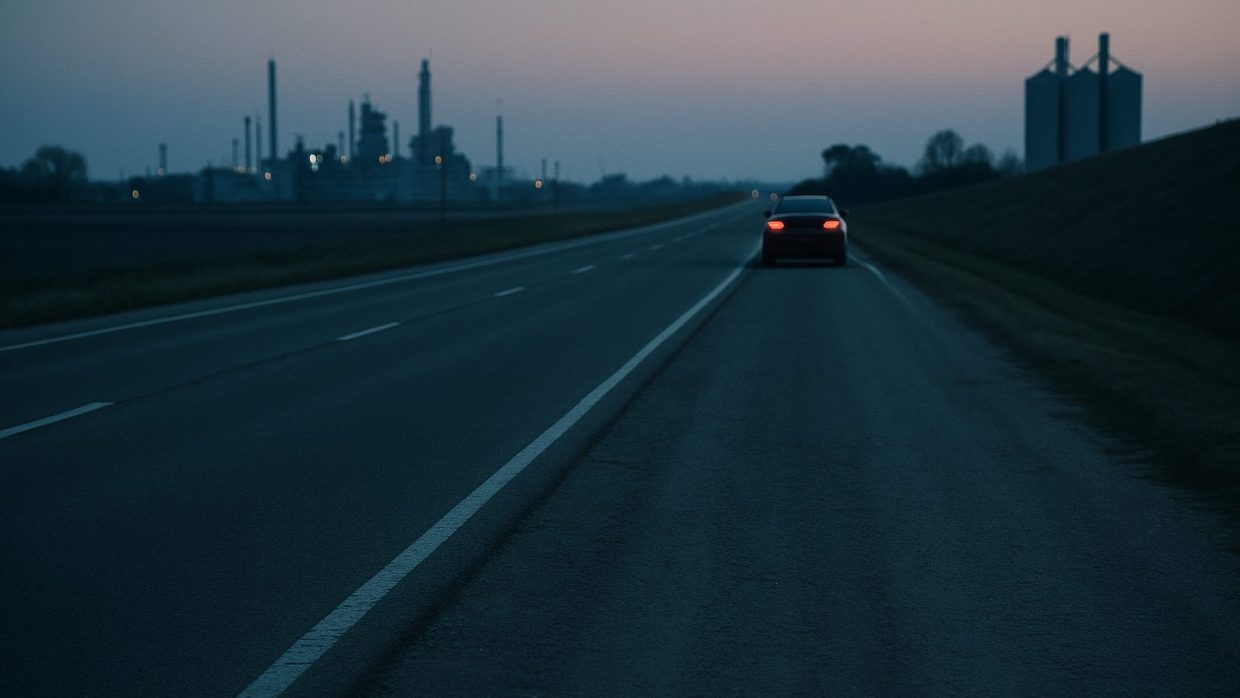
Most Metro East crashes do not produce an emergency. They produce a polite exchange on the shoulder of 55/70, a drive home, and a neck that reports in later. For those, the clinic is the first and only office, and the job is simply to get there this week rather than next month. After the wreck walks that week.
One more thing about the line: it can be crossed later. A headache that gets worse instead of better, new confusion, vomiting, weakness on one side, trouble speaking, any of those appearing days after the crash is an emergency room trip at that moment, whatever appointment is on the calendar. The clinic will tell you the same thing on the phone, and if a clinic sends you to an emergency room instead of booking you, that is the system working, not a wasted trip.
The call
Hazelwood (314) 627-1411. Tesson Ferry (314) 530-5480. O'Fallon, Missouri (636) 280-0990. Say it was a car crash, say the date, say whether an emergency room already saw you, and ask for an exam this week. Every office closes from 12 to 2.
Educational only. Nothing on this page is medical advice or a diagnosis; the person to ask is a licensed clinician who has examined you. Facts about the clinic come from moinjuryclinic.com. Emergency symptoms go to an emergency room, on whichever side of the river you are standing, not to a clinic or a website.