Key takeaways
- I-55 and I-70 run together from Troy to the river, and everyone from Madison County funnels into the same lanes past Collinsville and the racetrack.
- The Tri-Level near East St. Louis is where 55/70 and 64 sort themselves out for the bridges; merges and splits are where the rear-end hits live.
- Route 3 through the bottoms is a different animal: flat, fast, industrial, and dark.
- The pattern is the same on every road: adrenaline at the scene, a neck or a head that reports in later, and a week that is worth using.
The 55/70 concurrency
From Troy down to the river, I-55 and I-70 share the same pavement. Everyone from the north and east of Madison County, and everyone coming in from Springfield or Indianapolis, is in those lanes together past Maryville, past Collinsville, past the racetrack at Madison, to the split. It is the busiest stretch of interstate on the Illinois side, and it behaves like one: sudden slowdowns, trucks, a lane that disappears just when you needed it.
What the desk hears about 55/70 is the rear-end hit in a slowdown. The car ahead stops faster than expected, the car behind does not, and the driver in the middle takes the hit twice. Nobody is dramatically hurt. Everybody trades cards on the shoulder and drives on across the Stan Musial. The neck reports in on Tuesday.
The Tri-Level
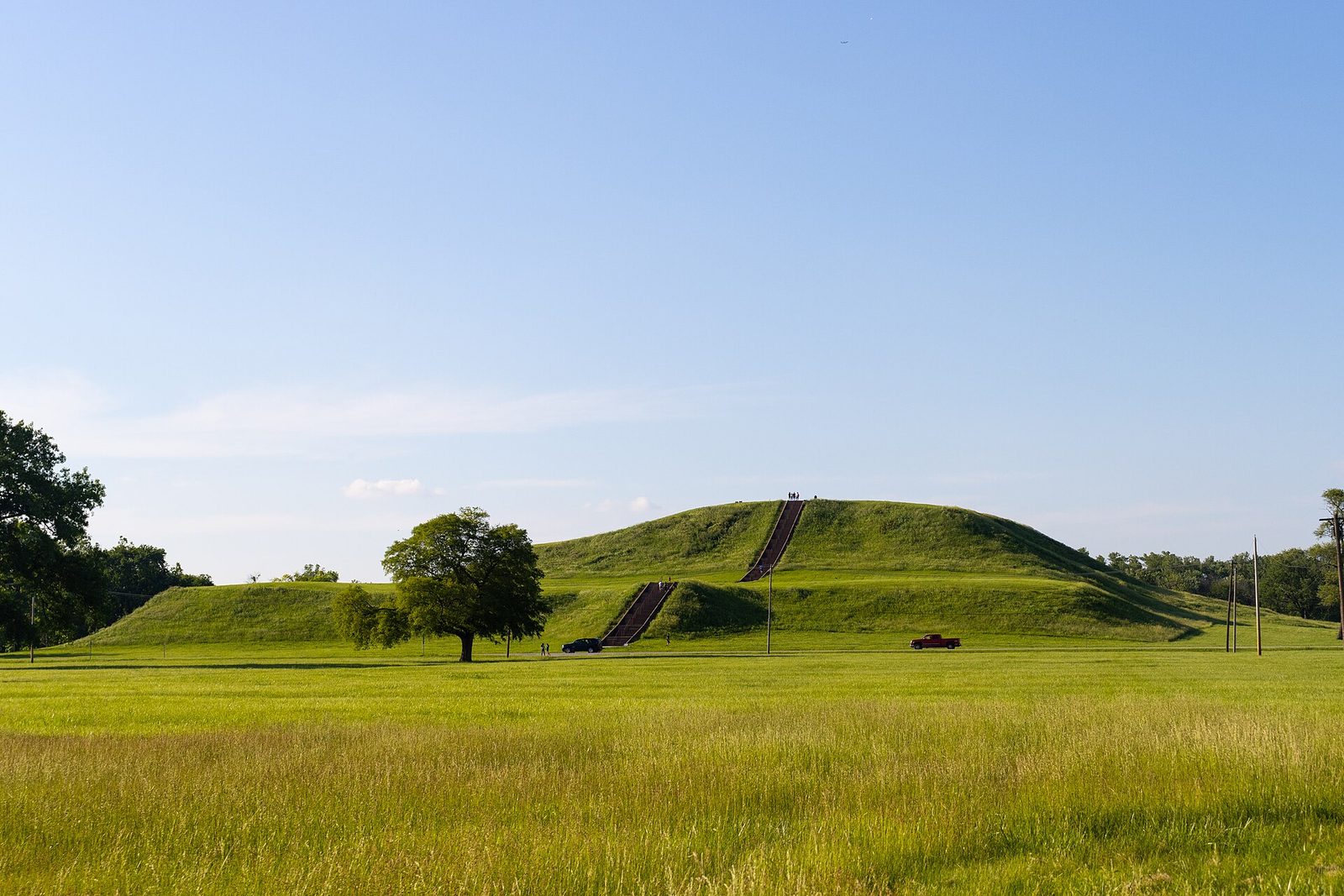
Near East St. Louis the stack sorts itself out. I-64 peels off toward the Poplar Street Bridge, and 55/70 continues toward the Stan Musial and the downtown connections. The interchange is a layered thing with short weaves, and it is the kind of place where a driver checking a sign is not checking a mirror. Side swipes and the merge hit are the stories here. The physics are the same as a rear-end hit at a light: a sudden lateral or fore-and-aft load on a neck that was not braced for it.
I-64 from Scott to the river
I-64 is St. Clair County's spine. It carries Scott Air Force Base, Shiloh, O'Fallon, Illinois, Fairview Heights, Swansea, and Belleville's north side to the Poplar Street Bridge. It is a commuter road with commuter habits, which means the morning westbound and the evening eastbound are where the desk hears about it: stop-and-go near the interchanges, a distracted driver, a hit at a speed that does not dent much metal and still loads a spine.
I-255, the beltway
I-255 loops around the south and east of the metro and crosses the river on the Jefferson Barracks Bridge. It serves Columbia, Dupo, Cahokia Heights, and the south end of Belleville, and it is the road Monroe County takes to the Tesson Ferry office. Higher speeds, longer sight lines, and the kind of hit that happens when someone merges from a ramp at the wrong moment. Bridge by bridge covers where the JB lands you.
Route 3 through the bottoms
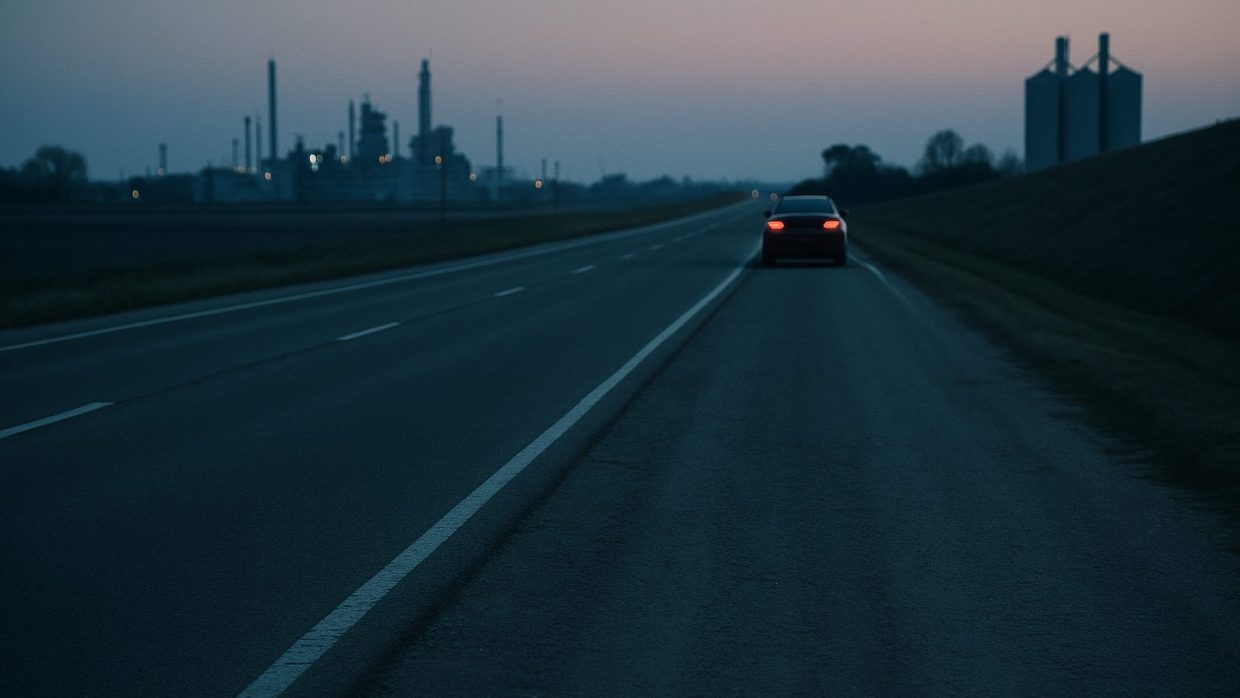
Illinois Route 3 is the bottoms highway. From Alton down through Granite City, past the industrial flats and Sauget, through Cahokia Heights and Dupo, on to Columbia and Waterloo, it runs flat and straight past refineries, grain elevators, and levees. It is fast, it is lightly lit in stretches, and it carries a lot of trucks. The desk hears about Route 3 at dusk and after dark: the sudden stop for a turning truck, the intersection with a county road that appears out of the flatness, the deer.
159, 157, and the short trips
Most crashes are not on an interstate. They happen on Route 159 through Collinsville and Fairview Heights into Belleville, on Route 157 between Edwardsville and Caseyville, on Vandalia Street, on West Main, at the lights outside the grocery store. They happen at low speeds, a few blocks from home, and they are the ones people shrug off, because the bumper barely shows it.
The bumper is not the instrument that matters. A rear-end hit at a signal is one of the most common ways a neck gets loaded past its limit, and the speed at which that happens is lower than most people expect. The National Institute of Neurological Disorders and Stroke describes whiplash as a neck injury from a rapid back-and-forth motion of the head, with symptoms that may be delayed; the plain version is on ninds.nih.gov.
The pattern
It is the same on every road on this page. Adrenaline at the scene, a polite exchange, a drive home. Then the neck, or the low back, or the head, reporting in over the following days on a schedule nobody chose. The week after is where a recoverable injury gets a treatment plan and a dated record, or gets a shrug. After the wreck walks that week hour by hour.
The desk does not publish crash counts or injury rates for these roads, because it would have to invent them or borrow them from someone selling something. The pattern is enough.
What to do the same day
- Rule out an emergency first. Chest pain, a sudden severe headache, weakness or numbness on one side, trouble speaking, a loss of bowel or bladder control, or a head injury with vomiting or worsening confusion is an emergency room trip right now, not a call to a clinic. That is the nearest emergency room on whichever bank you are on, not a bridge crossing.
- Write down the crash while it is fresh: where, when, what kind of hit, belt on or off, airbag or not.
- Call the office your bridge favors and ask for an exam this week. Hazelwood (314) 627-1411, Tesson Ferry (314) 530-5480, O'Fallon, Missouri (636) 280-0990. Remember the 12 to 2 close.
- If you already have an attorney, bring their contact so records can be sent where they need to go. If you do not, nothing about the exam changes.
Educational only. Nothing on this page is medical advice or a diagnosis; the person to ask is a licensed clinician who has examined you. Facts about the clinic come from moinjuryclinic.com. Emergency symptoms go to an emergency room, on whichever side of the river you are standing, not to a clinic or a website.