Key takeaways
- A concussion does not require a blow to the head or a loss of consciousness. A sudden stop can do it.
- The signs are quiet: headache, fog, trouble concentrating, dizziness, light or noise sensitivity, sleep that is off, a short temper.
- A head injury with vomiting, worsening confusion, one-sided weakness, or trouble speaking is an emergency room trip now, not a clinic call.
- Missouri Injury Clinic publishes a TBI and concussion rehab lane and names its tools. Ask for it by name on the phone.
A stop, not a strike
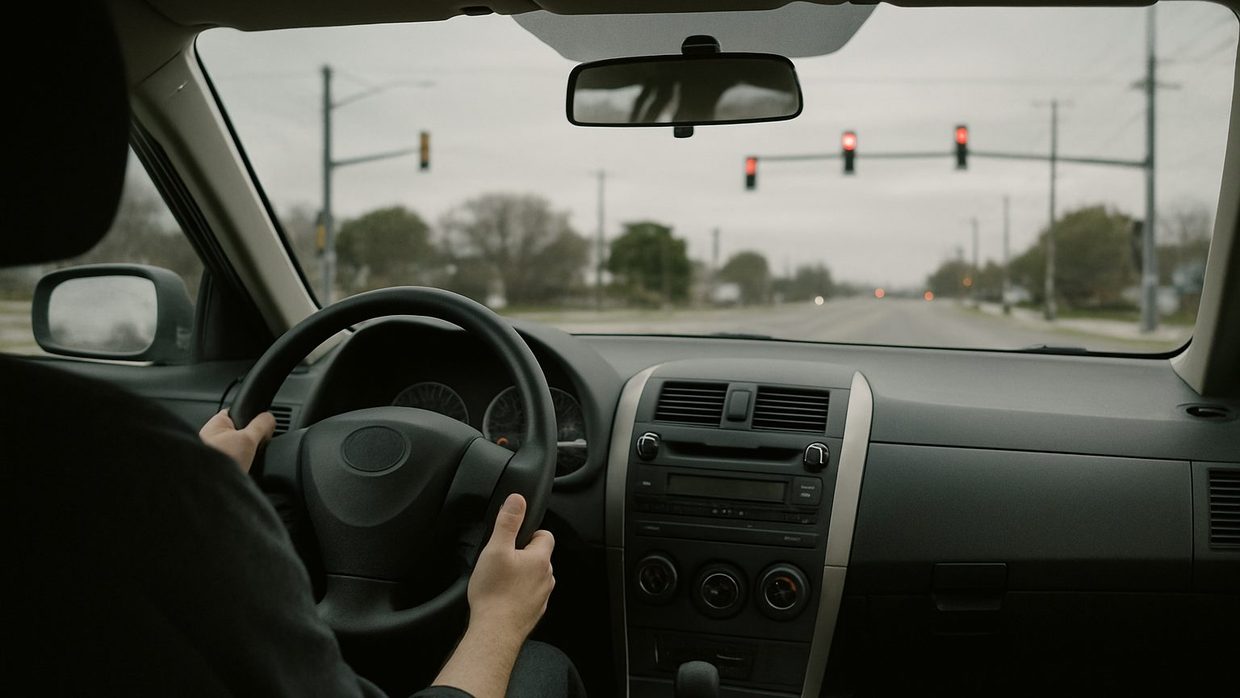
The Centers for Disease Control and Prevention describes a concussion as a type of traumatic brain injury caused by a bump, blow, or jolt to the head, or by a hit to the body that causes the head and brain to move rapidly back and forth. The second half of that sentence is the one Metro East drivers miss. A rear-end hit on I-64 in which the forehead never touches anything can still move the brain inside the skull hard enough to injure it. The CDC's plain-language material lives at cdc.gov/heads-up.
People who did not hit their head do not think of themselves as having a head injury, so they do not mention it at the scene, do not mention it to the clinician examining their neck, and spend a week or a month wondering why work is so hard.
The quiet signs
A crash concussion rarely looks like the ones on television. The CDC's list of symptoms includes headache or pressure in the head, nausea, dizziness or balance problems, sensitivity to light or noise, feeling sluggish or foggy, trouble concentrating or remembering, confusion, and changes in sleep or mood. In a Metro East adult after a crash, it tends to read like this:
- A headache that sits behind the eyes and does not respond to the usual things.
- Fog. The feeling that the shift at the plant or the morning of meetings is harder than it should be.
- Trouble with screens, bright lights, or the noise of the floor.
- A short temper, tears that come from nowhere, or a flatness that is not like you.
- Sleep that is either too much or not enough, and not restful either way.
- Dizziness on the stairs, or a sense that the room is slightly off when you turn your head quickly.
Any of those, after a crash, deserves an evaluation. None of them deserves a toughing-out period.
The bright line
Chest pain, a sudden severe headache, weakness or numbness on one side, trouble speaking, a loss of bowel or bladder control, or a head injury with vomiting or worsening confusion is an emergency room trip right now, not a call to a clinic. The CDC lists danger signs that call for an emergency department right away, including one pupil larger than the other, drowsiness or inability to wake up, a headache that gets worse and does not go away, repeated vomiting, slurred speech, weakness or numbness, convulsions, and increasing confusion or agitation.
That is an emergency room on whichever side of the river you are standing. You do not cross a bridge for it. The clinic visit comes after, with the discharge papers in hand, and the clinic is the right place for what comes after.
The rehab lane across the river
Missouri Injury Clinic publishes TBI and concussion rehabilitative therapy after acute injury as one of its three lanes, alongside auto injuries and sports injuries, under the same roof as the spine work. On its own site the clinic names the tools it uses:
- Vagus nerve stimulation, gentle microcurrent at the tragus.
- Neurofeedback.
- Alpha Stim.
- Sensory motor integration.
- Exercise with oxygen.
- Oculomotor rehabilitation.
- Cognitive rehabilitation with computerized brain-exercise software.
The desk lists those because the clinic does, and for no other reason. It does not describe how any of them works on a given person, how long a course runs, or what it costs, because it does not know and would be inventing. A clinician who has examined you is the person to ask.
Going back to work and back on the road
The Metro East works early and drives far. The honest thing to say about a concussion and a commute is that the fog, the light sensitivity, and the slowed reaction that come with it are exactly the things you need to be without when merging at the Tri-Level at 6:40 in the morning. Talk to the clinician examining you about driving and about the floor or the desk, and take the answer seriously. This desk is not in a position to give that answer.
What to ask for on the phone
Call the office your bridge favors and say two things: it was a car crash, and you want the concussion lane as well as the spine exam. Say which day it happened. Say what the head has been doing since. If you went to an emergency room first, say that too and bring the papers.
Hazelwood (314) 627-1411 for the northern crossings. Tesson Ferry (314) 530-5480 for the Jefferson Barracks Bridge. O'Fallon, Missouri (636) 280-0990 if your week runs I-70 west. All three close from 12 to 2.
Educational only. Nothing on this page is medical advice or a diagnosis; the person to ask is a licensed clinician who has examined you. Facts about the clinic come from moinjuryclinic.com. Emergency symptoms go to an emergency room, on whichever side of the river you are standing, not to a clinic or a website.